Today in 6A!
RELIGION: Students wrote their session quiz on the period of the Judges.
ENGLISH: Students worked on peer editing their children's story books. Tomorrow and through next week students will be illustrating their work and then matching text to their images.
LITERATURE: We read the final selection from I Am Malala and explained what the final assessment will be. Students will write a personal letter to Malala, which I will send to her foundation, with hopes that we may receive a response in the distant future. This assignment will be posted to Google Classroom and students will have two classes to complete their personal letters.
SOCIAL STUDIES: After taking up the homework we explored how the language and literature of the ancient Romans was similar to and different from that of their Greek neighbors. Homework for this section is on page 577 #1-5.
Thursday, May 23, 2019

Wednesday, May 22, 2019
Today in 6A & 6B
ENGLISH: We continued with writing our first draft of our children's story book. This first draft needs to be completed by tomorrow so that students may participate in peer editing. Their draft should be in pencil, on paper so that students can write their edits and suggestions on the page in another color.
RELIGION: We finished the session today with a talk about how and what things influence our daily lives. The critical analysis required to seek truth in our modern news reporting is just one example of how the media influences our lives, but also how being an "influencer" has become a way of life for some people. I used the Fyre festival example to show students how someone's influence over them can be harmful to their health and well being.
SOCIAL STUDIES: In our class we performed a thought exercise that sought to connect how invention within ancient Rome was used to maintain control of an extremely vast empire. Roads, and the tolls paid to carry goods on them, helped to finance the road's maintenance but also ensured only law-abiding citizens got their goods to market. Similarly, those who lives in areas serviced by an aqueduct, would be less likely to leave that area when they know that they have a reliable fresh water resource nearby.
MATH (8:00 class) pg 396 1-32 chp 7 Test Tomorrow (9:00 class) Pg 453 13-15 + WS
SCIENCE pg 255 1-4
MATH (8:00 class) pg 396 1-32 chp 7 Test Tomorrow (9:00 class) Pg 453 13-15 + WS
SCIENCE pg 255 1-4
Tuesday, May 21, 2019
Today in 6A & 6B
ENGLISH: Students worked on their children's story books. Students were given the green light to begin crafting their draft of text. This was only granted to those who had completed their page mapping. We will continue with this drafting tomorrow.
LITERATURE: Students wrote their final AR reading test.
RELIGION: We explored some of the biblically famous judges and reviewed what characteristics governed a person qualifying as a judge.
SOCIAL STUDIES: After taking up the homework from yesterday, we explored the many achievements of ancient Rome in the areas of art and architecture, particularly the invention of concrete. The Romans were not known for their expansion on the body of knowledge however their application of scientific and mathematic principles is truly unparalleled. Homework for today's lesson is on page 571 #1-4.
MATH (8:00 class) pg 390-391 1-23 Chp 7 Test Thursday (9:00 class) pg 452 1-11
ENGLISH: Students worked on their children's story books. Students were given the green light to begin crafting their draft of text. This was only granted to those who had completed their page mapping. We will continue with this drafting tomorrow.
LITERATURE: Students wrote their final AR reading test.
RELIGION: We explored some of the biblically famous judges and reviewed what characteristics governed a person qualifying as a judge.
SOCIAL STUDIES: After taking up the homework from yesterday, we explored the many achievements of ancient Rome in the areas of art and architecture, particularly the invention of concrete. The Romans were not known for their expansion on the body of knowledge however their application of scientific and mathematic principles is truly unparalleled. Homework for today's lesson is on page 571 #1-4.
MATH (8:00 class) pg 390-391 1-23 Chp 7 Test Thursday (9:00 class) pg 452 1-11
Monday, May 20, 2019
Today in 6A!
ENGLISH: Checking in with our students' progress on their children's story book, all students are at varying degrees of preparedness for the writing section of this assignment. We have slowly progressed to this point in order to fully develop their ideas and to plan their writing. For our class today, students were mapping out the pages of their books and indicating what specific pieces of information need to go on each page. All students need to have this step completed by tomorrow's class in order to participate fully in our class.
LITERATURE: In our reading we learn more details about the events of Malala's attempted assassination and the reactions of her family. We will likely have this book finished in time for students to take an AR quiz on it by Friday.
RELIGION: For the first lesson of Unit 4, students are exploring the period of the Judges in ancient Hebrew life. This chapter examines several important and impactful judges in this period of time.
SOCIAL STUDIES: After reviewing the homework, we looked at the comerce and economy of ancient Rome. As the empire expanded, so did their trade. Bringing in goods from as far away as China and Spain, and sending their goods in exchange. The establishment of a stable currency for trade helped to facilitate this trade, as did a robust network of roads which helped the movement of goods and the military to where they were needed most. Homework for today's lesson can be found on page 529 #1-5.
ENGLISH: Checking in with our students' progress on their children's story book, all students are at varying degrees of preparedness for the writing section of this assignment. We have slowly progressed to this point in order to fully develop their ideas and to plan their writing. For our class today, students were mapping out the pages of their books and indicating what specific pieces of information need to go on each page. All students need to have this step completed by tomorrow's class in order to participate fully in our class.
LITERATURE: In our reading we learn more details about the events of Malala's attempted assassination and the reactions of her family. We will likely have this book finished in time for students to take an AR quiz on it by Friday.
RELIGION: For the first lesson of Unit 4, students are exploring the period of the Judges in ancient Hebrew life. This chapter examines several important and impactful judges in this period of time.
SOCIAL STUDIES: After reviewing the homework, we looked at the comerce and economy of ancient Rome. As the empire expanded, so did their trade. Bringing in goods from as far away as China and Spain, and sending their goods in exchange. The establishment of a stable currency for trade helped to facilitate this trade, as did a robust network of roads which helped the movement of goods and the military to where they were needed most. Homework for today's lesson can be found on page 529 #1-5.
Friday, May 17, 2019
Today in 6A!
RELIGION: Students wrote their Unit 3, Chapter 15 quiz today.
ENGLISH: Students write their Unit 15 and final vocabulary test today. Afterward they worked on their story books. I am asking students to not work on their stories over the weekend. If students are looking for something to do toward this assignment, they can workshop their illustration ideas. Try to figure out what illustrative style works best for them and their story, but students are not yet illustrating their stories.
SOCIAL STUDIES: After taking up the homework we began a lesson on the Pax Romana, or the long time of peace that came during the rule of Augustus, formerly Octavian. Homework for this lesson is on page 523 #1-6.
RELIGION: Students wrote their Unit 3, Chapter 15 quiz today.
ENGLISH: Students write their Unit 15 and final vocabulary test today. Afterward they worked on their story books. I am asking students to not work on their stories over the weekend. If students are looking for something to do toward this assignment, they can workshop their illustration ideas. Try to figure out what illustrative style works best for them and their story, but students are not yet illustrating their stories.
SOCIAL STUDIES: After taking up the homework we began a lesson on the Pax Romana, or the long time of peace that came during the rule of Augustus, formerly Octavian. Homework for this lesson is on page 523 #1-6.
Thursday, May 16, 2019
Today in 6A!
ENGLISH: As a means of flushing out our best children's story book ideas, we performed some character, conflict and resolution story mapping today. This is a strategy where students methodically ask questions about their character, their conflict and how they plan to resolve that conflict and write down their responses for later referral. With all of this down on paper, students are able to see their story in pieces. Next they "storyboard" their thoughts to plan on what pages pieces of information need to go. The next phases will involve how the student plans to communicate their thoughts. Some information can be passed through images while others need to be in text. Some students want to have their stories rhyme. This is where that can happen.
LITERATURE: At this point in the story we are listening as Malala explains the events of the attempted assassination of her life. She wakes up in Birmingham England with questions about her father and mother. She is recovering from her wounds and struggling with pain. Our students felt confused about how the would-be assassins knew it was her, and I told them that Malala at this time was as famous as Beyonce. You KNOW when Beyonce walks in the room. You don't have to have someone point her out to you. The same was for Malala. She appeared in newspapers and on TV. She was an outspoken advocate for girls' right to education and had a target on her back for it.
RELIGION: Review of this week's lesson for tomorrow's open book quiz.
SOCIAL STUDIES: Our lesson spoke about the expansion of the Roman Empire. Rome used their military as well as diplomacy to expand not only their influence but their controlled territory. The influx of excess grains from abroad and the growing number of slaves entering the economy bankrupted small farmers and left them with no recourse. It was not long (~200 years) before revolution would strike. Homework for this lesson is on page 517 #1-4.
ENGLISH: As a means of flushing out our best children's story book ideas, we performed some character, conflict and resolution story mapping today. This is a strategy where students methodically ask questions about their character, their conflict and how they plan to resolve that conflict and write down their responses for later referral. With all of this down on paper, students are able to see their story in pieces. Next they "storyboard" their thoughts to plan on what pages pieces of information need to go. The next phases will involve how the student plans to communicate their thoughts. Some information can be passed through images while others need to be in text. Some students want to have their stories rhyme. This is where that can happen.
LITERATURE: At this point in the story we are listening as Malala explains the events of the attempted assassination of her life. She wakes up in Birmingham England with questions about her father and mother. She is recovering from her wounds and struggling with pain. Our students felt confused about how the would-be assassins knew it was her, and I told them that Malala at this time was as famous as Beyonce. You KNOW when Beyonce walks in the room. You don't have to have someone point her out to you. The same was for Malala. She appeared in newspapers and on TV. She was an outspoken advocate for girls' right to education and had a target on her back for it.
RELIGION: Review of this week's lesson for tomorrow's open book quiz.
SOCIAL STUDIES: Our lesson spoke about the expansion of the Roman Empire. Rome used their military as well as diplomacy to expand not only their influence but their controlled territory. The influx of excess grains from abroad and the growing number of slaves entering the economy bankrupted small farmers and left them with no recourse. It was not long (~200 years) before revolution would strike. Homework for this lesson is on page 517 #1-4.
Wednesday, May 15, 2019
Today in 6A & 6B
ENGLISH: For the past two days we have been examining children's books to see what makes them so effective. We pooled together ideas about what we like and why these books work. Through their varied illustrations and subject matters, each book we looked at successfully communicated lessons and morals which gripping the attention of their target audience (1-5 year old kids). Today students were assigned their task of creating a children's book of their own. Over the next 2 weeks (Due Thursday, May 30) students will imagine, write, edit, rewrite and illustrate their stories so that they too can effectively communicate meaningful messages to the target audience. Below are images of the assignment, grading criteria, brainstormed theme ideas, and finally, the pre-writing process that all students should follow.


ENGLISH: For the past two days we have been examining children's books to see what makes them so effective. We pooled together ideas about what we like and why these books work. Through their varied illustrations and subject matters, each book we looked at successfully communicated lessons and morals which gripping the attention of their target audience (1-5 year old kids). Today students were assigned their task of creating a children's book of their own. Over the next 2 weeks (Due Thursday, May 30) students will imagine, write, edit, rewrite and illustrate their stories so that they too can effectively communicate meaningful messages to the target audience. Below are images of the assignment, grading criteria, brainstormed theme ideas, and finally, the pre-writing process that all students should follow.


Tuesday, May 14, 2019
Today in 6A!
ENGLISH: We continued with our examination of the children's storybooks that students brought to school and what elements these books have. Today we used pointed questions to take a second look at our books and saw that while many are different in various ways, they also share some details. It is the expert employment of literary devices that make the text so effective. The relatability of the characters and expressive nature of the illustrations help make it so that even those who cannot read, have a great sense of the action, emotion, and message in that story.
LITERATURE: Students wrote their final STAR Math assessment today.
RELIGION: In our lesson the torch of leadership was passed from Moses to Joshua, who then lead the Hebrews into the land of Canaan. The victories held by the Jews over the Canaanites were evidence of God's presence on their side. These events were compared to the modern church and our own leadership.
SOCIAL STUDIES: We had a thought experiment in class today where students were posed with several questions and they explained why they either agreed or disagreed with the question. Students were allowed to change their position based on the opinions of other students in the different areas.
ENGLISH: We continued with our examination of the children's storybooks that students brought to school and what elements these books have. Today we used pointed questions to take a second look at our books and saw that while many are different in various ways, they also share some details. It is the expert employment of literary devices that make the text so effective. The relatability of the characters and expressive nature of the illustrations help make it so that even those who cannot read, have a great sense of the action, emotion, and message in that story.
LITERATURE: Students wrote their final STAR Math assessment today.
RELIGION: In our lesson the torch of leadership was passed from Moses to Joshua, who then lead the Hebrews into the land of Canaan. The victories held by the Jews over the Canaanites were evidence of God's presence on their side. These events were compared to the modern church and our own leadership.
SOCIAL STUDIES: We had a thought experiment in class today where students were posed with several questions and they explained why they either agreed or disagreed with the question. Students were allowed to change their position based on the opinions of other students in the different areas.
Monday, May 13, 2019
Today in 6A!
ENGLISH: Last week I asked students to bring in their favorite children's book for us to use this week. Our end-goal in two weeks is to develop our own children's books and to read them to our Tyke and Kinder friends in the last week of school. Our work today was to determine what qualities make a truly effective children's book. I asked students to examine the Plot, Characters and Illustrations to establish their assessment. We will continue with this over the coming week. This Friday will also be our final Vocabulary test, so students should work onn their vocabulary terms each night.
LITERATURE: In our reading today we learn more about the escalation of violence that Malala and her family experienced in their hometown in the Swat valley, and what, if any, actions the government was doing to protect her right to an education.
RELIGION: Our lesson looked at "leadership" and the role that Moses played in leading the Hebrews out of Egypt and toward the promised land. We made comparisons to what leaders in our own lives do, either for clubs or teams that we are on.
SOCIAL STUDIES: After taking up the homework from Thursday of last week, we examined the structure of Roman Society, how that impacted the role of men, women and children and what the expectations of people within society, including their adherence to common values, meant for everyone. Romans believed in a "family first" set of values that permeated into civil society. Patrons and clients would favor (extended) family members over non-familial persons. Homework for this lesson can be found on page 502 #1, 2, 4.
MATH (8:00 class) pgs 380-381 1-15 (9:00 class) pg 430 14-37
SCIENCE pg 246 1-4
ENGLISH: Last week I asked students to bring in their favorite children's book for us to use this week. Our end-goal in two weeks is to develop our own children's books and to read them to our Tyke and Kinder friends in the last week of school. Our work today was to determine what qualities make a truly effective children's book. I asked students to examine the Plot, Characters and Illustrations to establish their assessment. We will continue with this over the coming week. This Friday will also be our final Vocabulary test, so students should work onn their vocabulary terms each night.
LITERATURE: In our reading today we learn more about the escalation of violence that Malala and her family experienced in their hometown in the Swat valley, and what, if any, actions the government was doing to protect her right to an education.
RELIGION: Our lesson looked at "leadership" and the role that Moses played in leading the Hebrews out of Egypt and toward the promised land. We made comparisons to what leaders in our own lives do, either for clubs or teams that we are on.
SOCIAL STUDIES: After taking up the homework from Thursday of last week, we examined the structure of Roman Society, how that impacted the role of men, women and children and what the expectations of people within society, including their adherence to common values, meant for everyone. Romans believed in a "family first" set of values that permeated into civil society. Patrons and clients would favor (extended) family members over non-familial persons. Homework for this lesson can be found on page 502 #1, 2, 4.
MATH (8:00 class) pgs 380-381 1-15 (9:00 class) pg 430 14-37
SCIENCE pg 246 1-4
Thursday, May 9, 2019
Today in 6A!
RELIGION: We reviewed the concepts from this week's lesson on sin, grace and reconciliation.
ENGLISH: Students worked on their first drafts of their myth. This first draft should be completed for class tomorrow, so that students may engage in peer editing and be ready to submit by the end of class.
LITERATURE: In our reading today, Malala poses the question of "why would the Taliban target schools for young girls?" This lead us into a discussion around control of the masses and keeping people either misinformed or unwillingly ignorant. This is a strategy employed by fascists and other leaders who seek to manipulate their citizenry and I encourage all my students to ask good questions and make good use of their education to avoid such a future for themselves.
SOCIAL STUDIES: Our lesson explored the tripartite nature of the early Roman Republic. The chapter makes several comparisons to our government's function and make up here in the United States. It is important to understand these aspects of ancient Rome so that we may better understand our own government. Homework for this lesson is on page 497 #1, 2, 4, 5, 6.
RELIGION: We reviewed the concepts from this week's lesson on sin, grace and reconciliation.
ENGLISH: Students worked on their first drafts of their myth. This first draft should be completed for class tomorrow, so that students may engage in peer editing and be ready to submit by the end of class.
LITERATURE: In our reading today, Malala poses the question of "why would the Taliban target schools for young girls?" This lead us into a discussion around control of the masses and keeping people either misinformed or unwillingly ignorant. This is a strategy employed by fascists and other leaders who seek to manipulate their citizenry and I encourage all my students to ask good questions and make good use of their education to avoid such a future for themselves.
SOCIAL STUDIES: Our lesson explored the tripartite nature of the early Roman Republic. The chapter makes several comparisons to our government's function and make up here in the United States. It is important to understand these aspects of ancient Rome so that we may better understand our own government. Homework for this lesson is on page 497 #1, 2, 4, 5, 6.
Wednesday, May 8, 2019
Today in 6A!
ENGLISH: Students continued their prewriting for their myth writing. Students are aware that prewriting should be completed by today, so if it is not, then students will need to complete that for homework. The prewriting instructions are posted here below. Students need to come to class ready to begin drafting tomorrow.

RELIGION: Following our lesson on God's grace, we learned about sin, both Mortal and Venial sins. We learned how the knowledge of actions being wrong and the willingness to do those actions anyways are what qualify the severity of a sin.
SOCIAL STUDIES: In class we performed an exercise that divided our class into the small elite patriarch group and the larger plebeian group. Through this exercise, the patriarchs were allowed to decide the scale and scope of the task at hand. They could punish plebeians for the smallest of offenses and they would also be rewarded with relaxation and treats while the plebeians worked. This activity helped to highlight some of the challenges to the early republic and identify some of the possible solutions to these issues.
ENGLISH: Students continued their prewriting for their myth writing. Students are aware that prewriting should be completed by today, so if it is not, then students will need to complete that for homework. The prewriting instructions are posted here below. Students need to come to class ready to begin drafting tomorrow.

RELIGION: Following our lesson on God's grace, we learned about sin, both Mortal and Venial sins. We learned how the knowledge of actions being wrong and the willingness to do those actions anyways are what qualify the severity of a sin.
SOCIAL STUDIES: In class we performed an exercise that divided our class into the small elite patriarch group and the larger plebeian group. Through this exercise, the patriarchs were allowed to decide the scale and scope of the task at hand. They could punish plebeians for the smallest of offenses and they would also be rewarded with relaxation and treats while the plebeians worked. This activity helped to highlight some of the challenges to the early republic and identify some of the possible solutions to these issues.
Tuesday, May 7, 2019
Today in 6A!
ENGLISH: After completing our flash cards and Sadlier exercises, students were issued their writing assignment for Unit 15. In this composition, students will be creating their own myths. The instructions for this assignment are on Google Classroom with some options for writing purposes. The image below is the pre-writing strategy we are using for this narrative piece. Students should follow the numbered directions and create a good plan prior to drafting. I anticipate that students may not begin drafting until the later half of tomorrow class. This is fine. It is more essential that students know what they plan to say prior to saying it.

LITERATURE: We read another few chapters in I Am Malala and afterward students were feeling a bit angry about how things were changing for Malala in the mid-2000's Pakistan. They heard about Benazir Bhoutto and how restrictive society became when controlled by radical conservative influences. Many of the strategies used in this place and time mirror what has happened many times over history.
RELIGION: Today's lesson explored the amazing grace that God offers to us unconditionally. This gift is intimately tied to our practice of reconciliation and its four embodiments.
SOCIAL STUDIES: In our second lesson for Ancient Rome, students see how the early governments of Latium and the Etruscan Kings quickly move toward a more democratic model. Due to the relatively late transition to democracy, we can see how this society was influenced by Greece and other neighbors within the Mediterranean. The conflict between the Patriarchs and the Plebians is onewe will look at more closely. Homework for this session is on page 492 #1, 2, 4, 5
MATH (8:00 class) pgs 365-366 1-21 (9:00 class) pg 412-413 1-16 + WS 8-7
ENGLISH: After completing our flash cards and Sadlier exercises, students were issued their writing assignment for Unit 15. In this composition, students will be creating their own myths. The instructions for this assignment are on Google Classroom with some options for writing purposes. The image below is the pre-writing strategy we are using for this narrative piece. Students should follow the numbered directions and create a good plan prior to drafting. I anticipate that students may not begin drafting until the later half of tomorrow class. This is fine. It is more essential that students know what they plan to say prior to saying it.

LITERATURE: We read another few chapters in I Am Malala and afterward students were feeling a bit angry about how things were changing for Malala in the mid-2000's Pakistan. They heard about Benazir Bhoutto and how restrictive society became when controlled by radical conservative influences. Many of the strategies used in this place and time mirror what has happened many times over history.
RELIGION: Today's lesson explored the amazing grace that God offers to us unconditionally. This gift is intimately tied to our practice of reconciliation and its four embodiments.
SOCIAL STUDIES: In our second lesson for Ancient Rome, students see how the early governments of Latium and the Etruscan Kings quickly move toward a more democratic model. Due to the relatively late transition to democracy, we can see how this society was influenced by Greece and other neighbors within the Mediterranean. The conflict between the Patriarchs and the Plebians is onewe will look at more closely. Homework for this session is on page 492 #1, 2, 4, 5
MATH (8:00 class) pgs 365-366 1-21 (9:00 class) pg 412-413 1-16 + WS 8-7
Monday, May 6, 2019
Today in 6A & 6B
ENGLISH: Our lesson today, introducing the next and last set of iWords for the 2018-19 school year, went pretty smoothly. Knowing that this is the last set of vocabulary terms students will receive, they now know when their last vocabulary test will be (Friday, May 17th). I am suggesting to all students that they not "coast" through the last 4 weeks of instruction and instead, "power through" as it can be tempting to relax, however, this is often when most students see their largest dip in grades, when they can see the finish line. Let's finish strong!
LITERATURE: We began reading "I am Malala" today, the story of Malala Yousafzai, a young girl from rural Pakistan who was shot by the Taliban for wanting to learn. Through section one, students are already getting a strong image of what life is like for young women under the influence of Islamic conservative idealism.
RELIGION: Our lesson this week explores God's forgiveness of his people. Drawing parallels between the Old Testament and New Testament readings, we see that the purposeful use of imagery is used to compare events and symbols, helps people derive meaning from the events.
SOCIAL STUDIES: Our first lesson of the Ancient Rome unit. Students had a look at the geographical situation that lead Rome to be a dominant influence over the Italian peninsula, as well as the founding myths of the city. Students then also looked at the difference between Physical (hard) and Economic (soft) power. Homework is on page 486 #1, 2, 4, 5, 6
MATH (8:00 class) WS 7-1 7 7-2 (9:00 class) pg 423 2-24 evens
SCIENCE pg 227 1-3
ENGLISH: Our lesson today, introducing the next and last set of iWords for the 2018-19 school year, went pretty smoothly. Knowing that this is the last set of vocabulary terms students will receive, they now know when their last vocabulary test will be (Friday, May 17th). I am suggesting to all students that they not "coast" through the last 4 weeks of instruction and instead, "power through" as it can be tempting to relax, however, this is often when most students see their largest dip in grades, when they can see the finish line. Let's finish strong!
LITERATURE: We began reading "I am Malala" today, the story of Malala Yousafzai, a young girl from rural Pakistan who was shot by the Taliban for wanting to learn. Through section one, students are already getting a strong image of what life is like for young women under the influence of Islamic conservative idealism.
RELIGION: Our lesson this week explores God's forgiveness of his people. Drawing parallels between the Old Testament and New Testament readings, we see that the purposeful use of imagery is used to compare events and symbols, helps people derive meaning from the events.
SOCIAL STUDIES: Our first lesson of the Ancient Rome unit. Students had a look at the geographical situation that lead Rome to be a dominant influence over the Italian peninsula, as well as the founding myths of the city. Students then also looked at the difference between Physical (hard) and Economic (soft) power. Homework is on page 486 #1, 2, 4, 5, 6
MATH (8:00 class) WS 7-1 7 7-2 (9:00 class) pg 423 2-24 evens
SCIENCE pg 227 1-3
Thursday, May 2, 2019
Today in 6th grade!
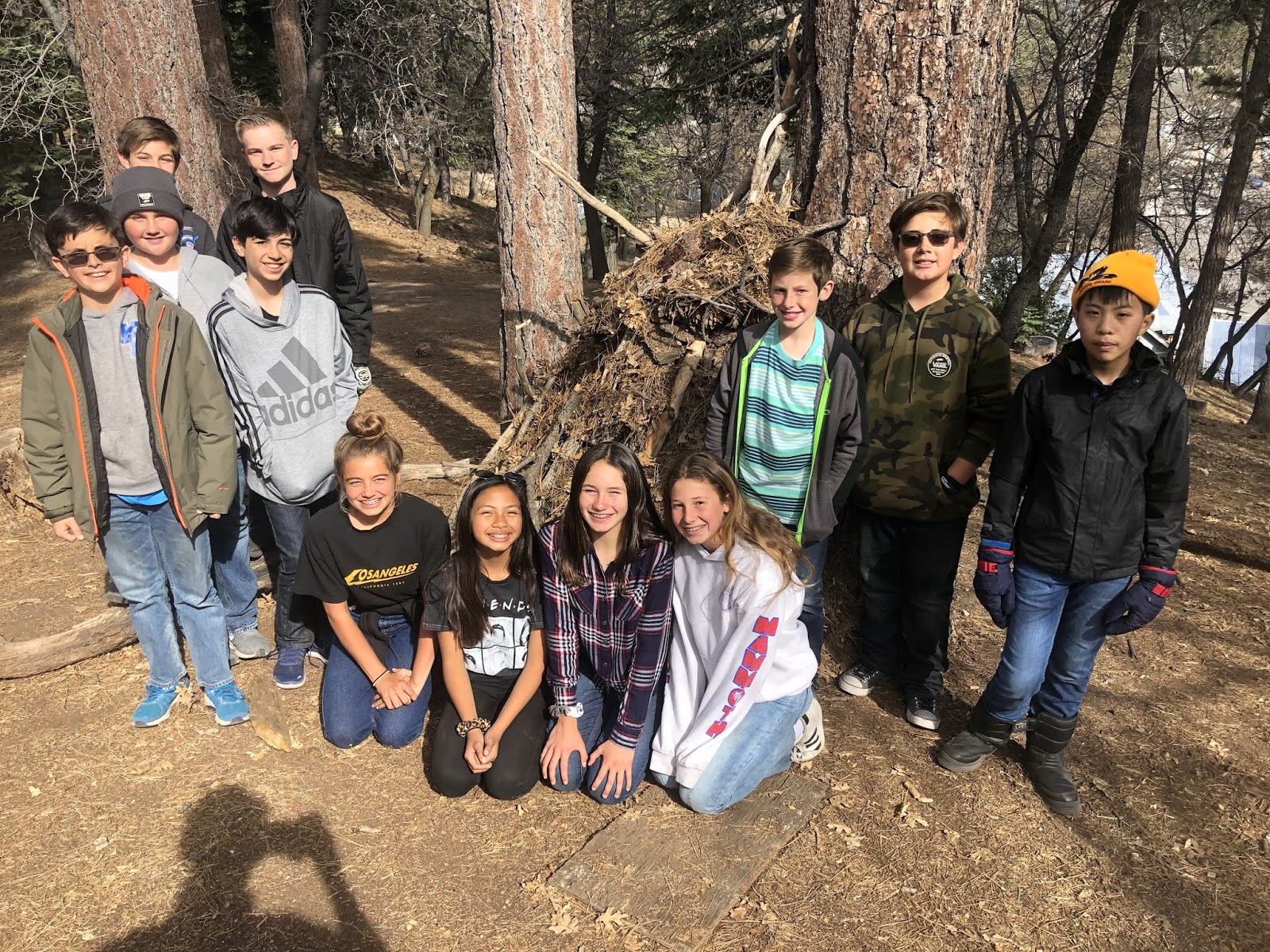
It is truly a strange moment when your students make it abundantly clear that they are having the time of their lives and never want to leave. Did I ever think this would happen? Not a chance. For the day our students took part in another morning hike and a series of games. After lunch the students went back into the wilderness to build emergency shelters.
This evening our students will forego their evening hike in favor of S’mores and line dancing. While there is a little hesitance toward this mysterious dance form, I believe they will approach the activity with the same level of joy and enthusiasm that they have embraced the rest of the week with.
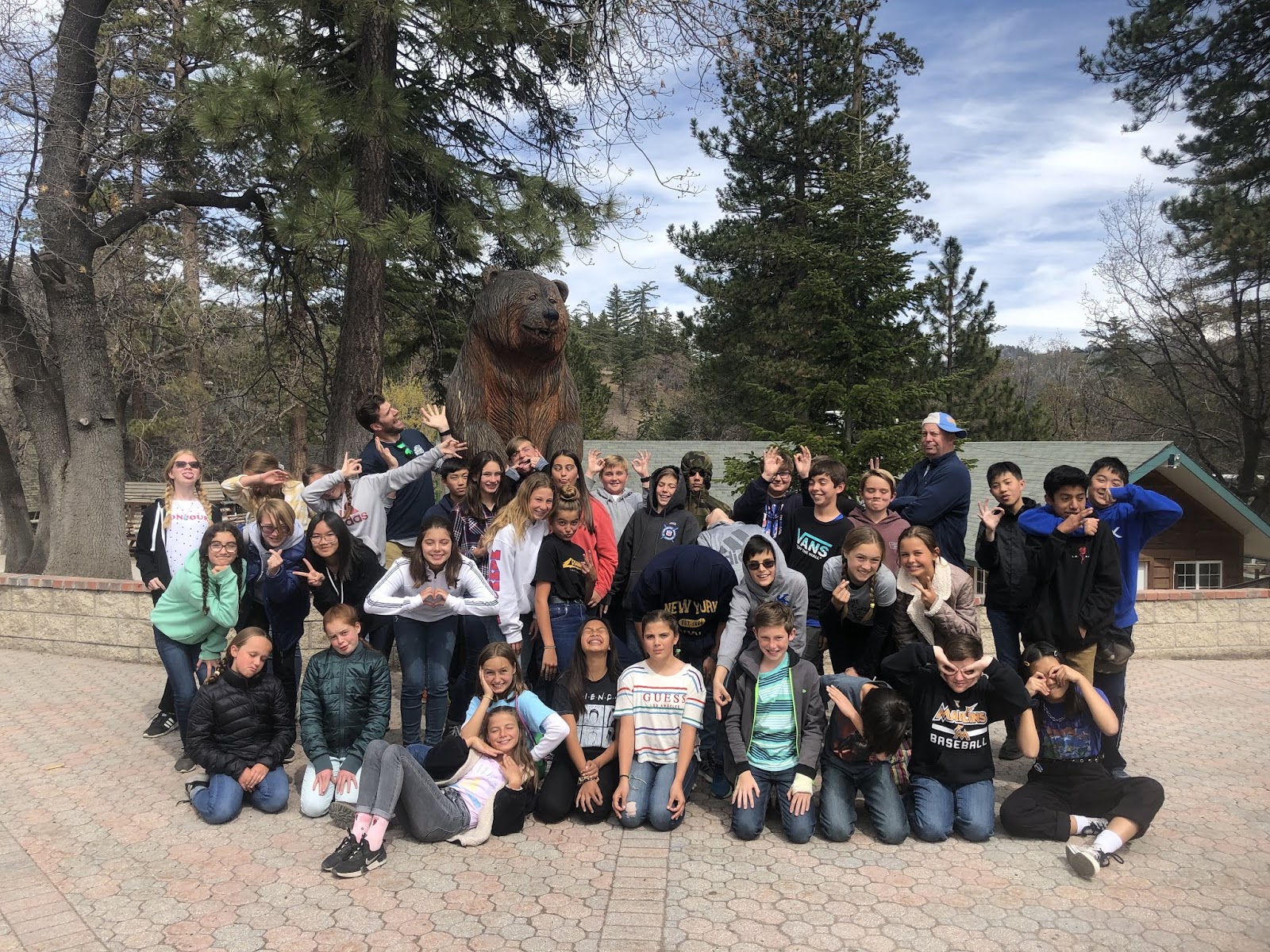
You will notice that we captured as many of the moments where your children are smiling as we possibly could, which, believe it or not was almost all the time. Tomorrow we anticipate some tears and some laughter as our students make their way back to you.


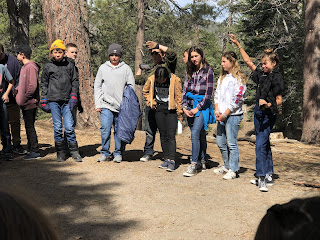


It is truly a strange moment when your students make it abundantly clear that they are having the time of their lives and never want to leave. Did I ever think this would happen? Not a chance. For the day our students took part in another morning hike and a series of games. After lunch the students went back into the wilderness to build emergency shelters.
This evening our students will forego their evening hike in favor of S’mores and line dancing. While there is a little hesitance toward this mysterious dance form, I believe they will approach the activity with the same level of joy and enthusiasm that they have embraced the rest of the week with.
You will notice that we captured as many of the moments where your children are smiling as we possibly could, which, believe it or not was almost all the time. Tomorrow we anticipate some tears and some laughter as our students make their way back to you.







Wednesday, May 1, 2019
Today in 6th grade!
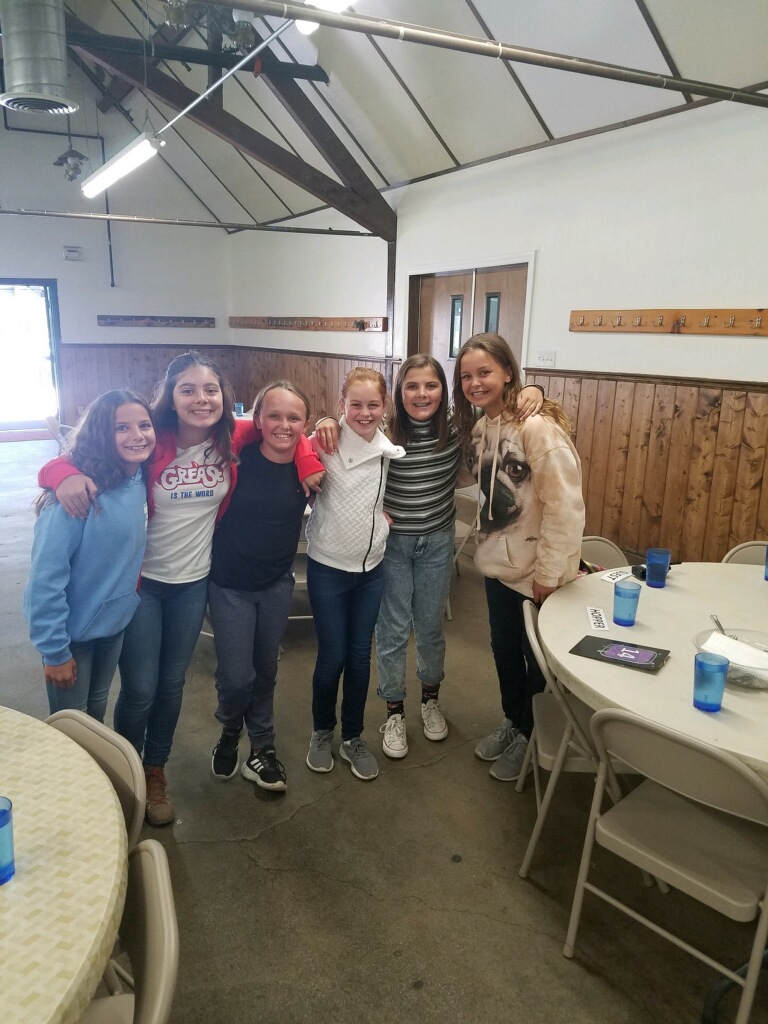
Our students, your kids, have been rockstars (literally with the geology hikes) through the first 36 hours of their trip. A few late night conversations had to be hushed and there were a few homesick kids but as soon as the group activities began our student proved themselves to be leaders and integrators for the rest of the students. Mr Gray and myself could not be more proud of this group.
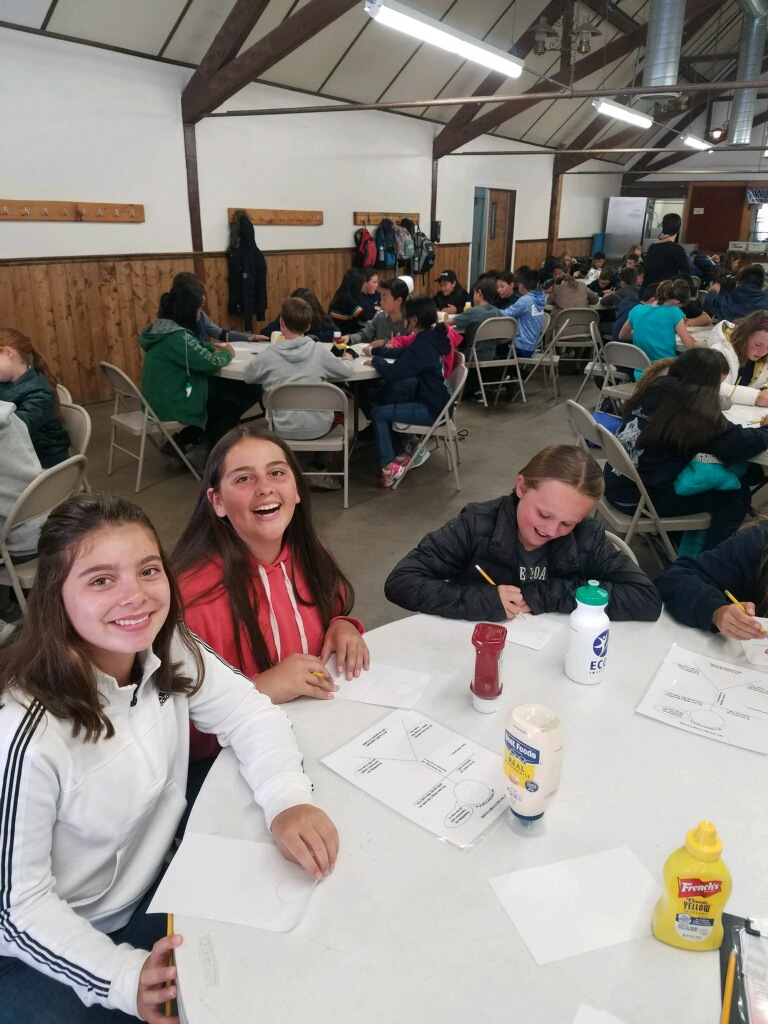
Our athletic director now has a new list of “sports” to pitch to the diocese, namely Ga-Ga-ball. Students had 3 hikes and learned a ton. More importantly, they are getting more comfortable with and their new friends from other schools which is awesome. Here are some pictures from today!


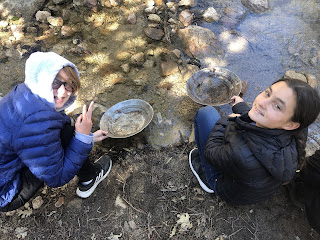


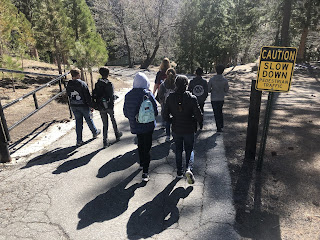


Our students, your kids, have been rockstars (literally with the geology hikes) through the first 36 hours of their trip. A few late night conversations had to be hushed and there were a few homesick kids but as soon as the group activities began our student proved themselves to be leaders and integrators for the rest of the students. Mr Gray and myself could not be more proud of this group.
Our athletic director now has a new list of “sports” to pitch to the diocese, namely Ga-Ga-ball. Students had 3 hikes and learned a ton. More importantly, they are getting more comfortable with and their new friends from other schools which is awesome. Here are some pictures from today!


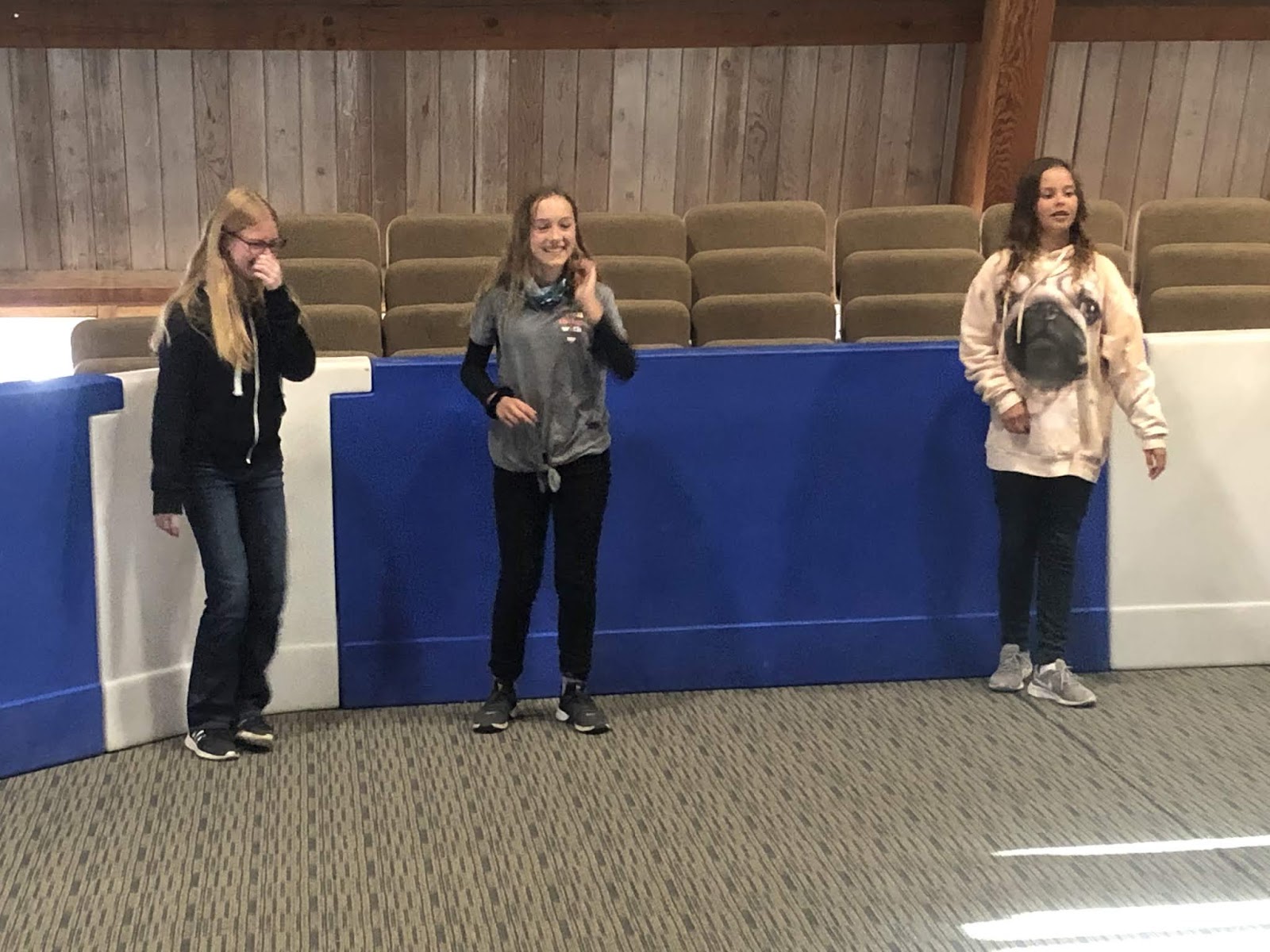
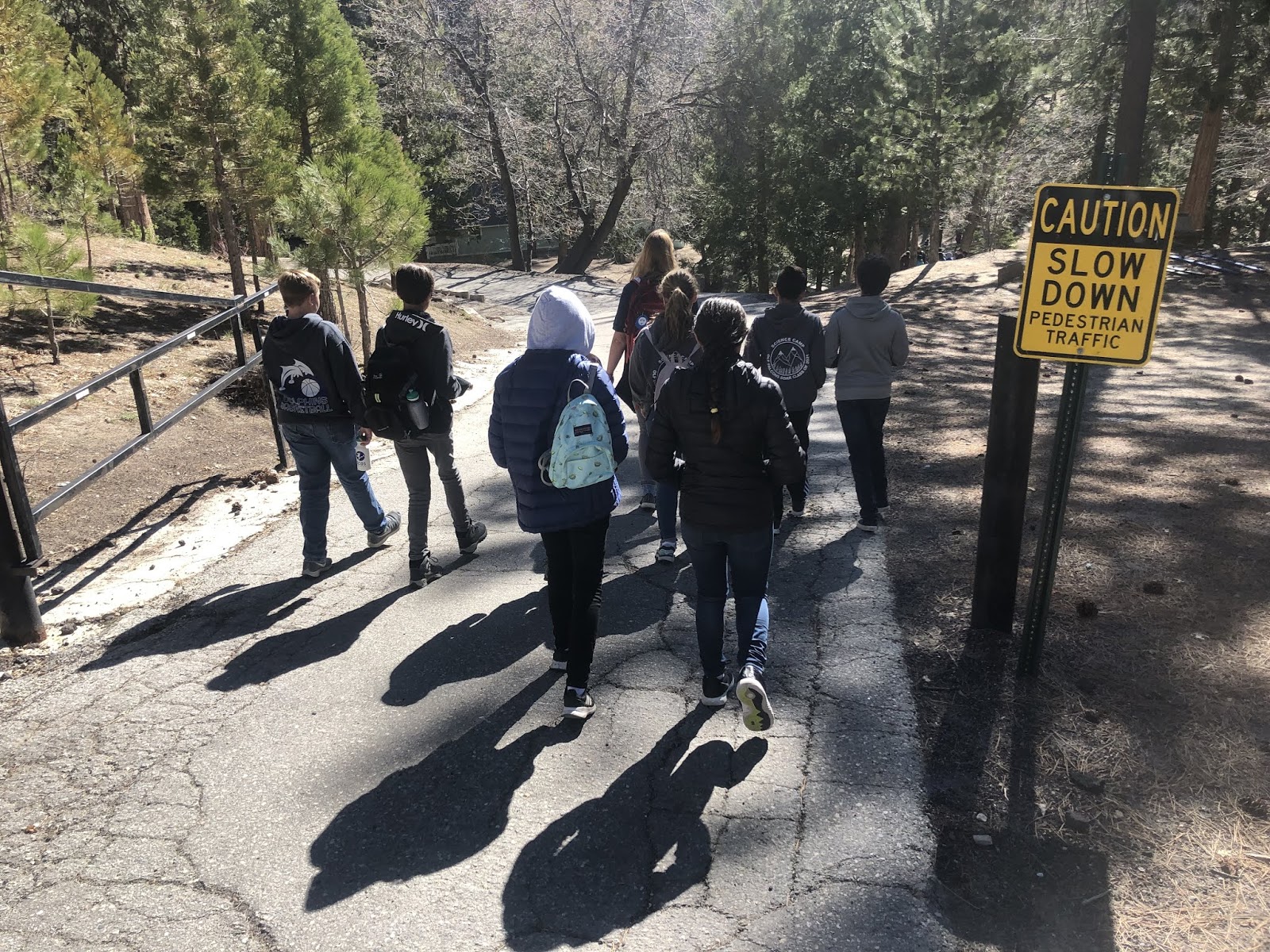


Subscribe to:
Posts (Atom)
-
Today in 6A and 6B ENGLISH: Today we had our Unit 2 vocabulary and Chapter 6 grammar test. It was a long period and all students finished ...
-
 ALL grandparents (and honorary grandparents) are invited to join us at 8:15 AM Mass and then for Continental Breakfast! Afterwards,...
 -
Today in 6A & 6B ENGLISH: Shortly after drilling our vocabulary with some flash cards, we set out to determining the meaning of select...